
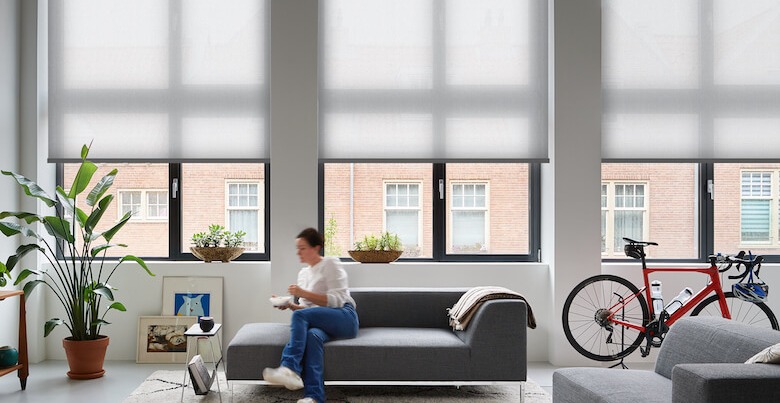
Heat reflective curtains are a much-discussed solution, especially as energy costs continue to impact households. Although energy prices may fluctuate, they are expected to remain high in the coming years. As a result, saving energy at home is more important than ever. Many people already take measures such as lowering the heating, reducing hot water usage, or insulating their homes more effectively. Window coverings play a surprisingly large role in this.
Heat reflective curtains create an additional insulating layer between your home and the outside environment. This layer slows down heat transfer through your windows, helping to maintain a comfortable indoor temperature throughout the year.
In summer, heat reflective curtains help block incoming heat and sunlight, keeping rooms cooler. In winter, they reduce heat loss by keeping warm air inside. Some heat reflective curtains are made with a reflective backing that reflects radiant heat and sunlight, increasing their insulating performance even further.
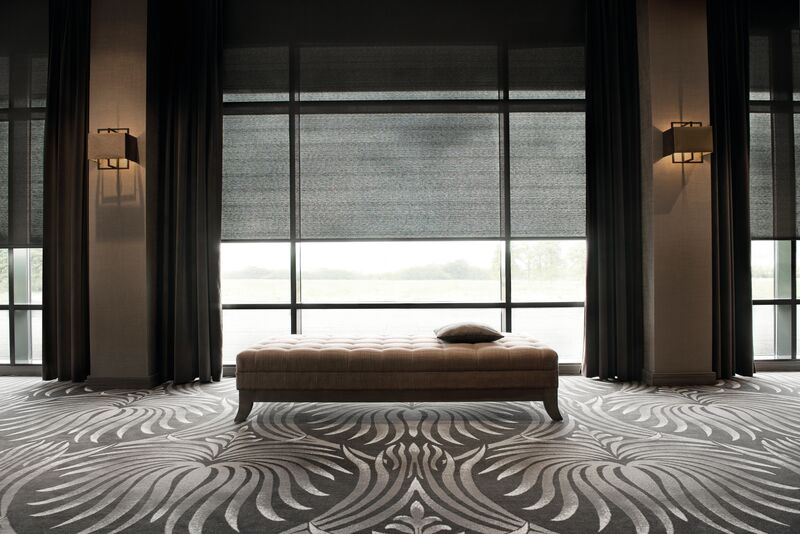
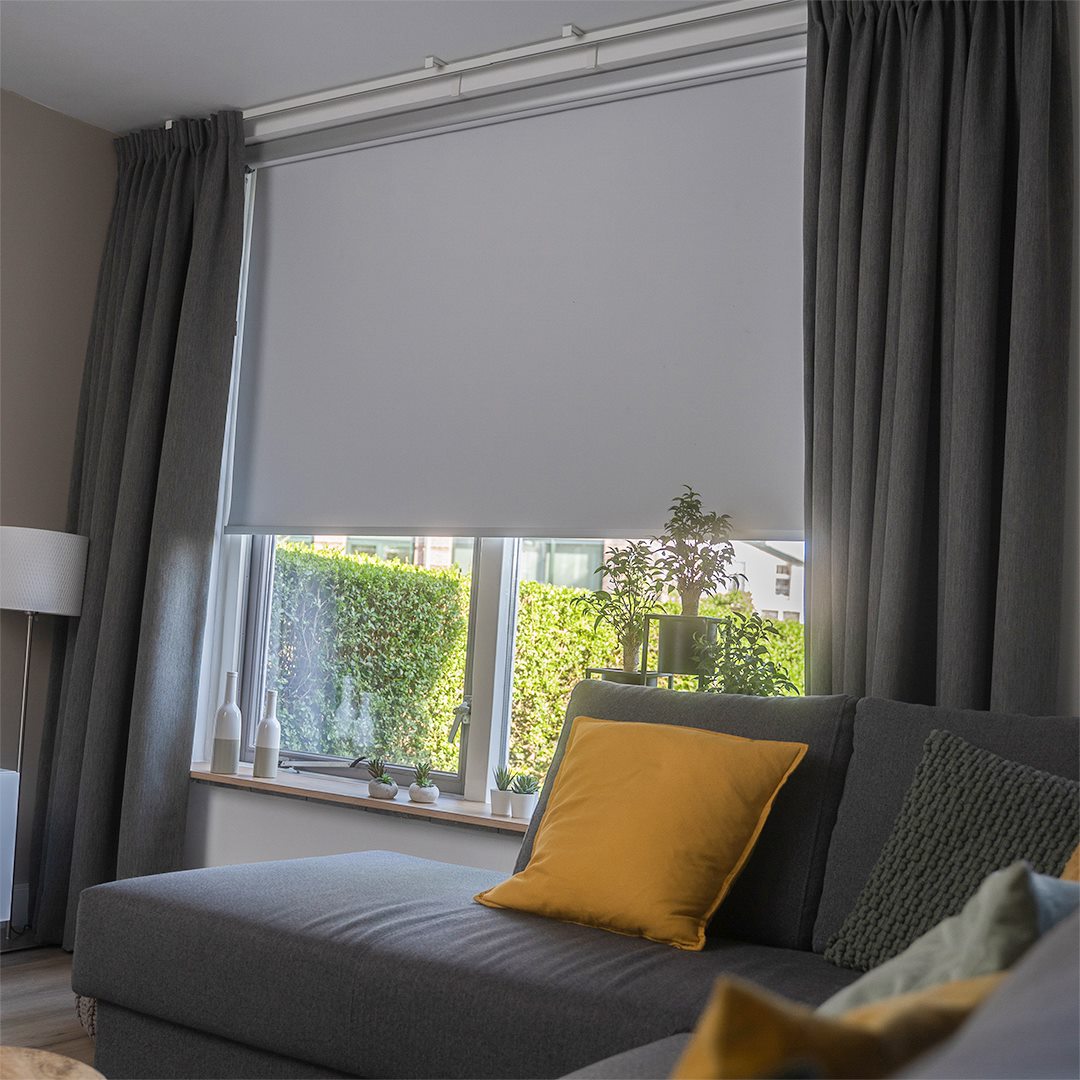
Heat reflective curtains are highly effective on their own, but they can also be combined with other types of window coverings to further improve insulation. One effective combination is pairing heat reflective curtains with heat reflecting roller blinds.
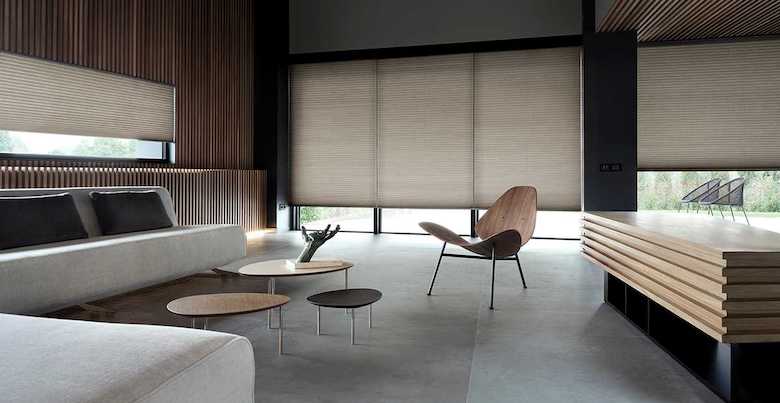
Curtains help insulate the window area as a whole, while roller blinds fit closely to the window itself. This reduces gaps where warm or cold air can pass through. Heat reflecting roller blinds are made from fabrics that reflect sunlight and reduce heat absorption, making them especially useful during warm summer days.
By combining both types of window coverings, you create a layered solution that improves thermal performance, enhances light control and helps reduce energy consumption throughout the year.
Smart window coverings make it possible to manage heat and light in your home more efficiently. In combination with sensors, window coverings can respond automatically to changing conditions such as sunlight intensity or time of day.
For example, when sunlight sensors detect strong sun exposure, window coverings can close to help limit heat build-up indoors. When sunlight levels decrease, they can open again to allow natural light into your home. This contributes to a more comfortable indoor climate and improved energy efficiency without constant manual adjustments.
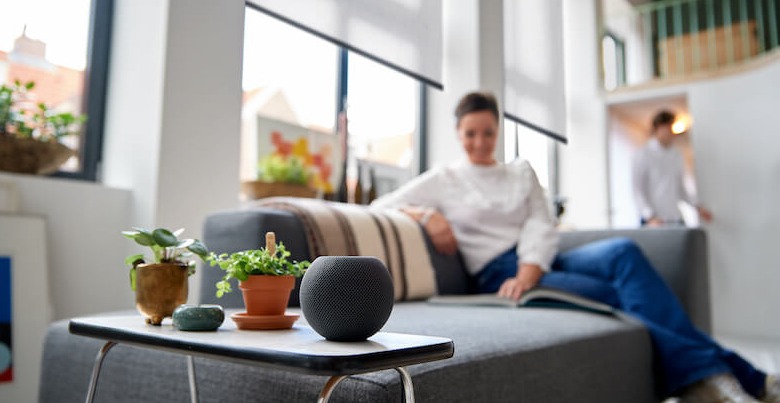
While we currently do not offer smart curtain tracks, we do provide smart heat reflecting roller blinds that can work in collaboration with sensors or smart home systems.

During colder months, fabric choice plays an important role in insulation. Thick, thermal or blackout curtain fabrics help reduce airflow around windows, keeping warm air inside and cold air out.
Well-fitted heat reflective curtains minimize gaps around the window and improve overall performance. With the right fabric and finish, they help lower energy loss while enhancing comfort and style in your home.